
Introduction
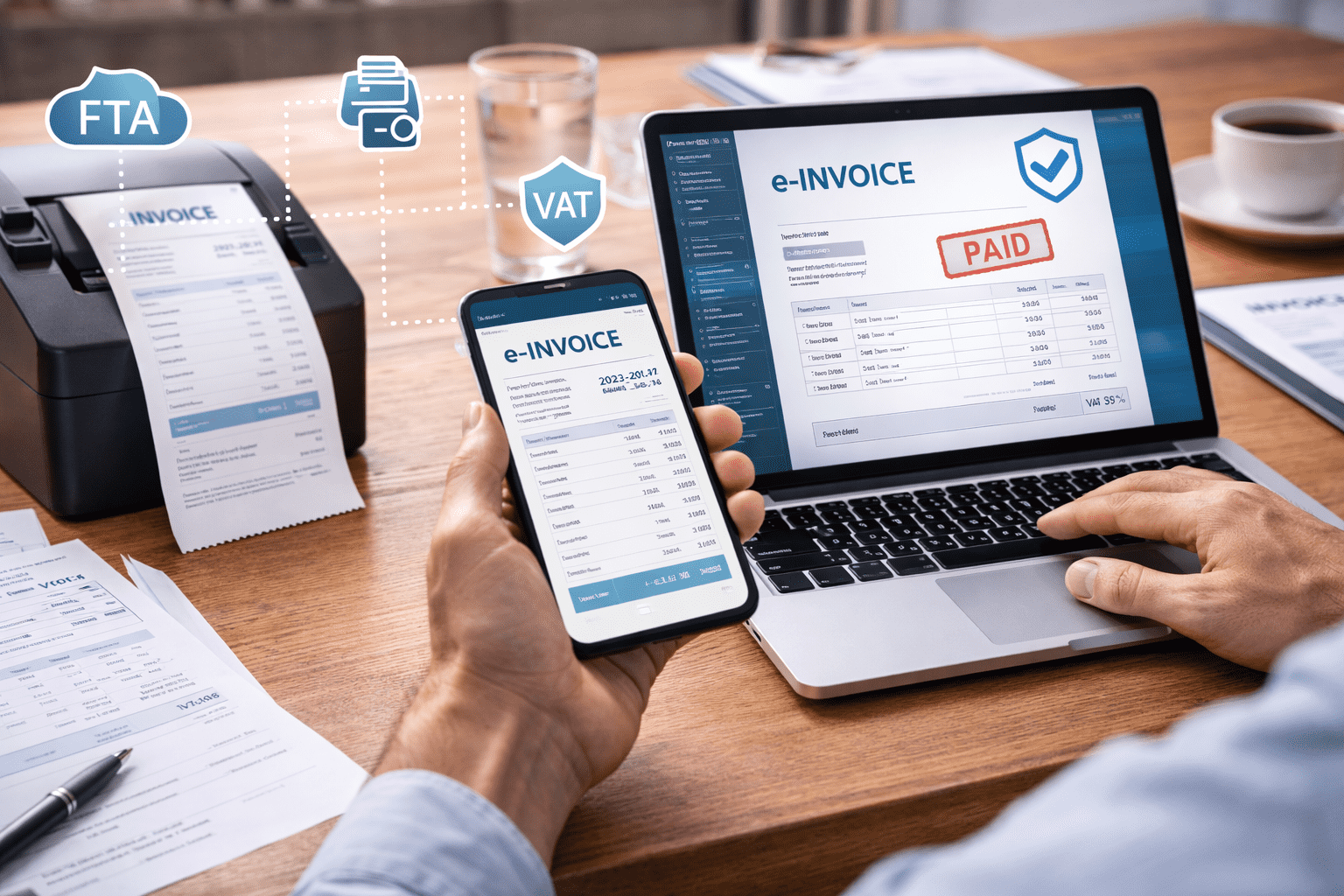
The UAE is steadily moving toward a fully digital tax and compliance ecosystem. As part of this transformation, e-Invoicing in the UAE is set to play a critical role in mproving VAT compliance, transparency, and operational efficiency for businesses across all sectors. With the Federal Tax Authority (FTA) encouraging digital invoicing practices, companies must begin preparing now to stay compliant and competitive.
What Is e-Invoicing in the UAE?
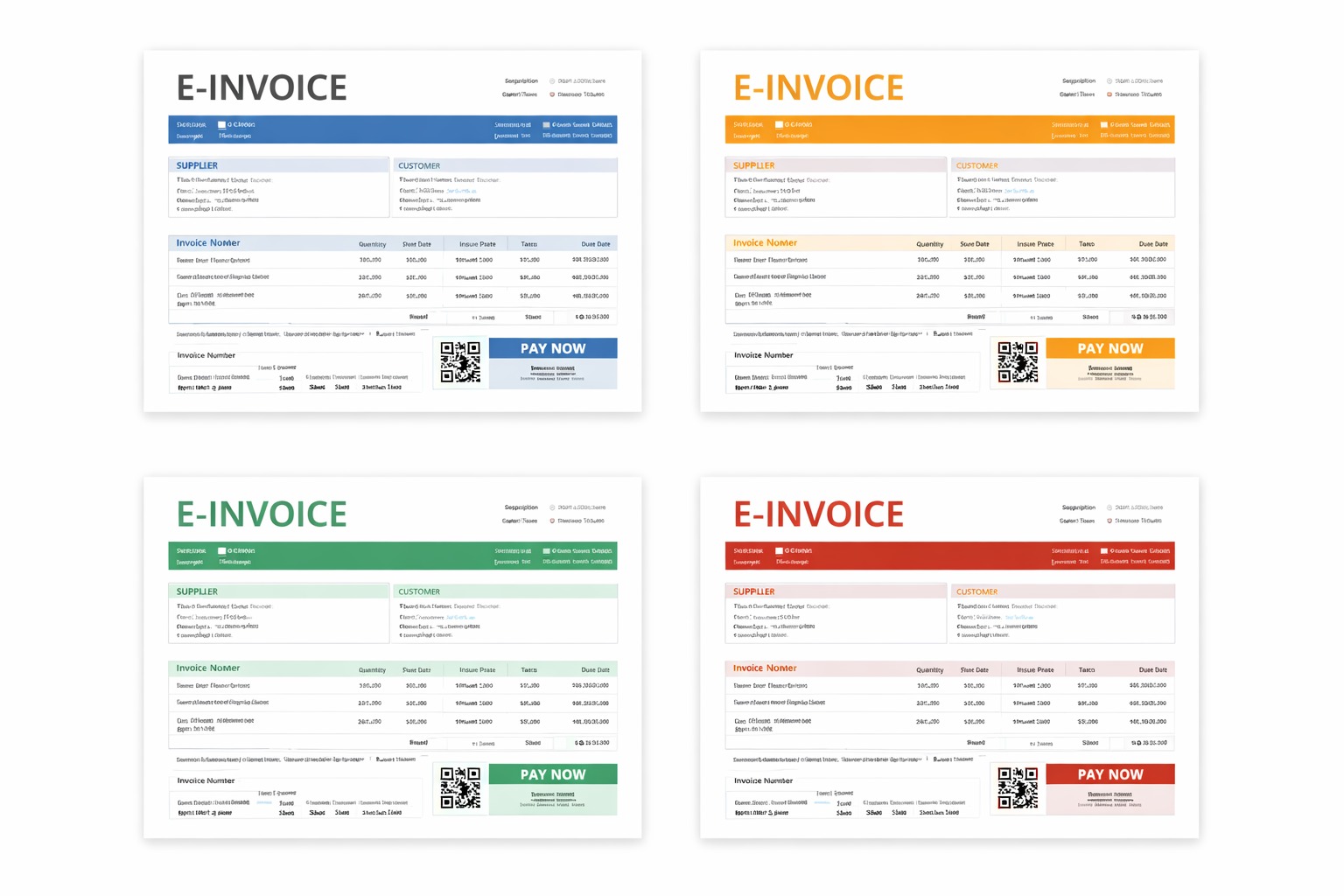
e-Invoicing in the UAE refers to the electronic generation, exchange, and storage of invoices in a structured digital format that can be automatically processed by systems and shared with the Federal Tax Authority (FTA).
Unlike simple PDF or emailed invoices, true e-Invoices are:
- Machine-readable
- Secure and tamper-proof
- Integrated with accounting or ERP systems
- Easily auditable by tax authorities
UAE e-Invoicing Framework (PEPPOL-Based Model)
The UAE has announced plans to implement a 5-corner e-Invoicing model, similar to PEPPOL frameworks used in countries like Singapore and parts of Europe.
Under this model:
1.Data is reported to the FTA for VAT compliance
2.This approach reduces manual reporting and ensures real-time visibility for tax authorities.
Sellers generate invoices via ERP or accounting software
3.Invoices are sent to an accredited service provider
4.Invoices are securely exchanged with buyers
Why e-Invoicing Is Important for UAE Businesses
- VAT Compliance with FTA
e-Invoicing simplifies VAT reporting and ensures invoices meet UAE VAT law requirements,
including:
- TRN validation
- Accurate VAT calculations
- Proper invoice formatting
- Reduced Risk of Penalties
Automated validation minimizes errors that can lead to fines during FTA audits. - Faster Payments & Reconciliation
Digitally validated invoices improve cash flow by reducing disputes and payment delays. - Business Transparency
Real-time invoice exchange strengthens trust between suppliers, customers, and regulators. - Cost Efficiency
Lower printing, storage, and administrative costs compared to paper-based invoicing
Who Should Prepare for e-Invoicing in the UAE
Although full mandatory implementation is expected in phases, businesses that should prepare now include:
- Real estate, trading, contracting, and professional service firms
- Early adoption ensures a smooth transition when regulations become mandatory.
- VAT-registered companies
- Enterprises issuing high volumes of B2B invoices
- Free zone and mainland companies
- Government transaction centers (Amer, Tasheel, Tadbeer)
Role of ERP Software in UAE e-Invoicing
- An ERP system with built-in e-Invoicing capabilities allows businesses to:
- Generate FTA-compliant invoices
- Validate TRNs automatically
- Maintain secure digital records
- Integrate VAT returns and audit reports
- Stay updated with regulatory changes
ERP-driven e-Invoicing eliminates compliance stress and manual work.
How to Prepare Your Business for UAE e-Invoicing?
- Upgrade to FTA-ready ERP or accounting software
- Ensure invoice formats follow UAE VAT regulations
- Digitize invoice storage and archiving
- Train staff on e-Invoicing workflows
- Work with compliant service providers
e-Invoicing in the UAE is more than a regulatory update—it is a strategic move toward smarter, faster, and more transparent business operations. Companies that adopt eInvoicing early will benefit from improved compliance, better cash flow, and future-ready systems. Preparing today ensures your business remains compliant with UAE VAT laws and aligned with the country’s digital transformation vision.