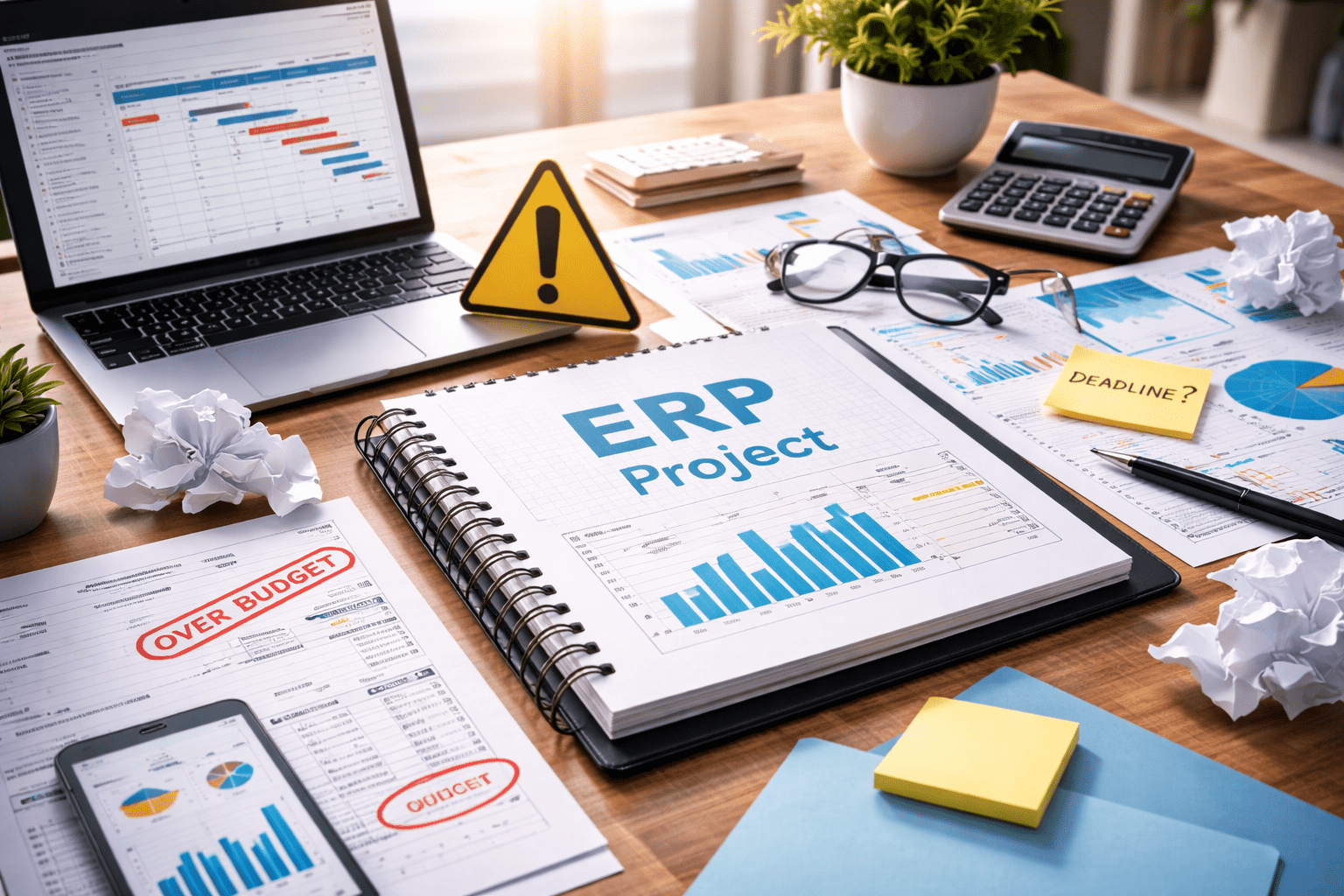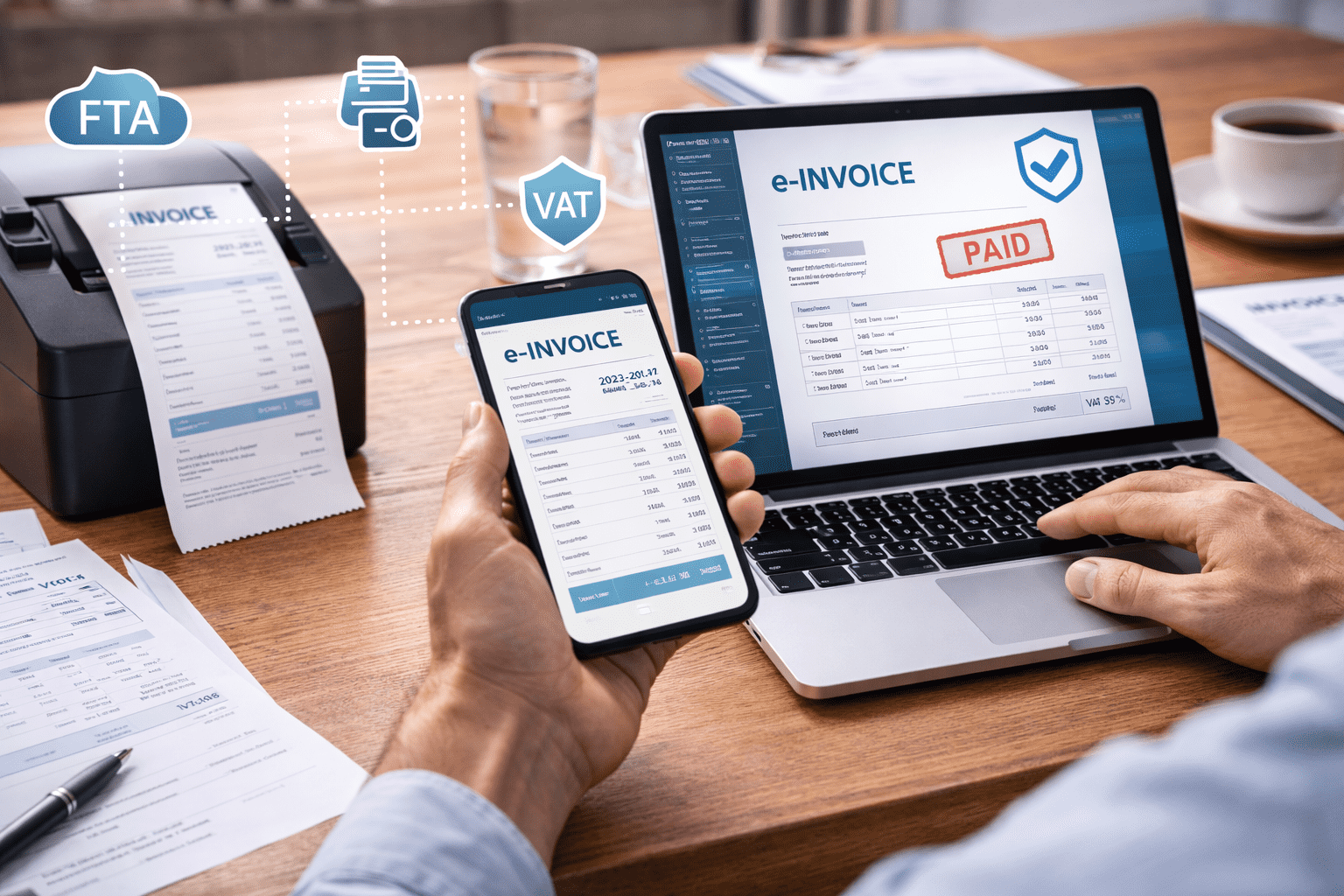

Across the UAE, small and medium-sized enterprises (SMEs) are rapidly shifting from traditional, on-premise software to cloud-based ERP systems. This change is not driven by hype—it is driven by practical business needs such as cost control, scalability, compliance, and real-time visibility.
In a fast-growing and competitive market like the UAE, cloud ERP has become a strategic necessity rather than a luxury.
Common Challenges Faced by SMEs in UAE
Many SMEs in the UAE struggle with similar operational issues:
- High upfront cost of traditional software and servers
- Dependence on Excel and disconnected systems
- Difficulty managing multi-branch operations
- Lack of real-time reports for quick decision-making
- Compliance challenges with VAT and regulatory changes
- Limited IT resources for maintenance and security
These challenges slow down growth and increase operational risk.
How Cloud ERP Solves These Problems
1. Lower Cost and Predictable Expenses
Cloud ERP eliminates the need for expensive servers, hardware, and heavy IT infrastructure.
- No large upfront investment
- Subscription-based pricing
- Lower maintenance and IT costs
This makes ERP affordable and practical for SMEs.
2. Real-Time Data and Business Visibility
Cloud ERP provides live access to business data across all departments.
- Real-time sales, inventory, and finance reports
- One centralized system for all operations
- Faster and better decision-making
Business owners no longer need to wait for end-of-month reports.
3. Easy Scalability as the Business Grows
SMEs in the UAE often expand quickly by adding branches, warehouses, or new business lines.
- Add users, modules, or branches easily
- No need to upgrade servers or infrastructure
- System grows along with the business
Cloud ERP supports growth without disruption.

4. Anywhere, Anytime Access
With cloud ERP, teams can access the system securely from anywhere.
- Ideal for multi-branch and mobile teams
- Supports remote work and on-site operations
- Accessible on laptops, tablets, and mobile devices
This flexibility improves productivity and response time.
5. Better Security and Data Protection
Cloud ERP providers invest heavily in security and data protection.
- Encrypted data storage
- Regular automated backups
- Disaster recovery and uptime assurance
For SMEs, this level of security is often better than in-house systems.
6. Faster Implementation and Less IT Burden
Unlike traditional ERP systems, cloud ERP can be implemented quickly.
- Faster setup and go-live
- Automatic updates and upgrades
- Minimal internal IT dependency
This allows SMEs to focus on business instead of system maintenance.
How ACODAX Cloud ERP Supports UAE SMEs
ACODAX is a cloud-based ERP system designed specifically for growing businesses in the UAE.
With ACODAX Cloud ERP, SMEs get:
- Fully cloud-hosted, scalable ERP solution
- Multi-branch and multi-warehouse management
- Real-time reports for finance, inventory, and sales
- VAT-ready accounting and compliance support
- Secure access from anywhere
ACODAX helps SMEs operate efficiently today and scale confidently tomorrow.
Final Thoughts
For SMEs in the UAE, moving to cloud ERP is no longer optional—it is a smart business decision. Cloud ERP reduces costs, improves control, supports compliance, and enables growth in a competitive market.
If your business is still relying on manual systems or outdated software, now is the time to move to a modern cloud ERP solution like ACODAX.
👉 Book a demo and see how ACODAX Cloud ERP can transform your business operations.