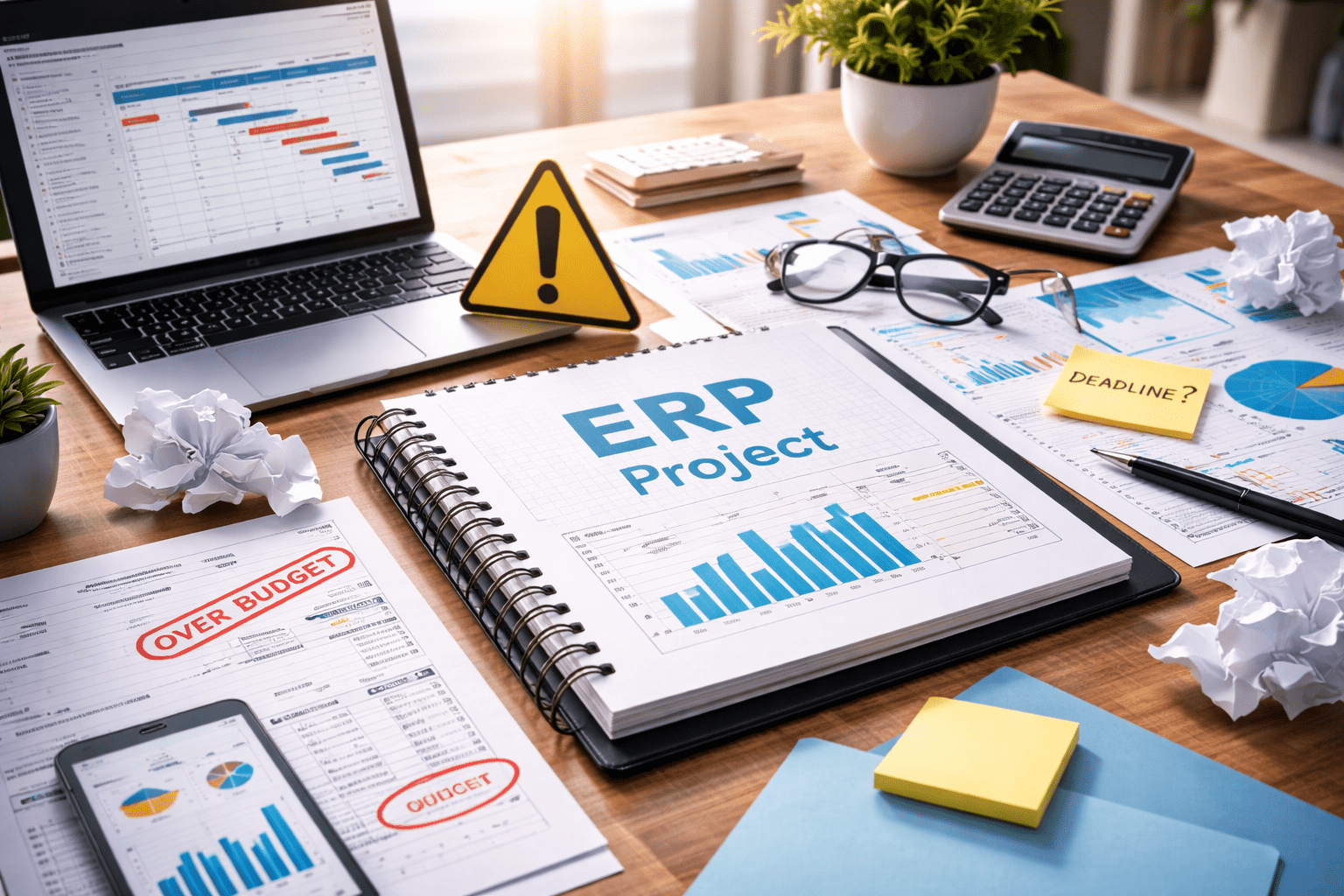

Common ERP Implementation Mistakes and How to Avoid Them
Implementing an ERP system is a major step for any business. When done right, ERP improves efficiency, visibility, and control. But when implemented poorly, it can lead to delays, cost overruns, user frustration, and even project failure.
Many ERP problems don’t come from the software itself—but from common mistakes made during implementation. Understanding these mistakes in advance can save time, money, and stress.
Common ERP Implementation Mistakes
1. Lack of Clear Business Requirements
One of the biggest mistakes is starting ERP implementation without clearly defining business needs.
- Requirements are assumed, not documented
- Key departments are not involved
- ERP is chosen based on features, not actual needs
How to avoid it:
Before implementation, clearly document workflows, pain points, and expectations. Involve finance, sales, inventory, HR, and management in requirement discussions.
2. Choosing the Wrong ERP Solution
Not all ERP systems are suitable for every business.
- Overly complex systems for small businesses
- Limited systems that can’t scale
- Industry mismatch
How to avoid it:
Choose an ERP that fits your business size, industry, and growth plans. Modular and scalable ERP systems are ideal for growing businesses.
3. Poor Data Migration
Incorrect or incomplete data migration creates long-term problems.
- Duplicate or outdated data
- Missing opening balances
- Incorrect stock quantities
How to avoid it:
Clean and verify data before migration. Test data thoroughly and validate reports before going live.
4. Ignoring User Training
ERP success depends heavily on user adoption.
- Employees resist change
- Incorrect data entry
- Underutilized features
How to avoid it:
Provide proper training for all users based on their roles. Simple manuals, demo sessions, and post-go-live support are essential.
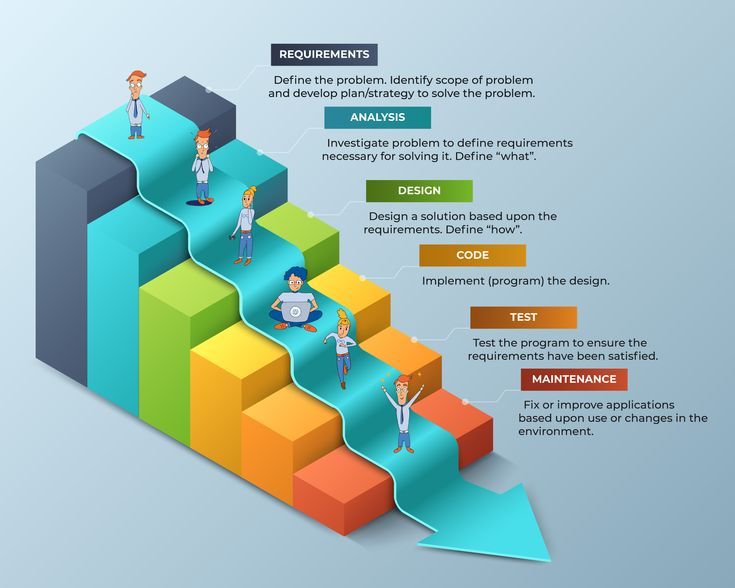
5. No Clear Implementation Plan
Many ERP projects fail due to poor planning.
- No defined timeline
- No responsible team or project owner
- Unrealistic go-live expectations
How to avoid it:
Create a clear implementation roadmap with milestones, responsibilities, and realistic timelines.
6. Customizing Too Much, Too Early
Excessive customization increases complexity and cost.
- Difficult upgrades
- Dependency on developers
- Increased maintenance issues
How to avoid it:
Start with standard processes. Customize only where business-critical gaps exist, and only after system stabilization.
7. Not Testing Before Go-Live
Skipping testing leads to operational disruptions.
- Incorrect reports
- Transaction errors
- System performance issues
How to avoid it:
Perform end-to-end testing with real-life scenarios. Involve actual users during testing.
8. Treating ERP as an IT Project Only
ERP is a business transformation, not just a software installation.
- Lack of management involvement
- Business goals not aligned
- Low ownership
How to avoid it:
Ensure management involvement throughout the project. ERP should align with business objectives, not just technical requirements.
How ACODAX Ensures Successful ERP Implementation
ACODAX ERP is designed with simplicity, flexibility, and business practicality in mind.
With ACODAX, you get:
- Clear requirement analysis before implementation
- Modular deployment based on business needs
- Structured data migration and validation
- Role-based user training
- Phased go-live approach to reduce risk
- Ongoing support and system optimization
This ensures smoother adoption and long-term success.
Final Thoughts
ERP implementation success depends more on planning, people, and processes than on technology alone. By avoiding common mistakes and choosing the right implementation partner, businesses can unlock the true value of ERP.
If you are planning to implement or upgrade an ERP system, a structured and practical approach—supported by a reliable solution like ACODAX—can make all the difference.
👉 *Talk to our team to ensure a smooth and successful ERP implemen